Carlo Powell · 8 October 2026
Analyzing Cross-Platform Interoperability Effects on Digital Asset Liquidity in Decentralized Ecosystems
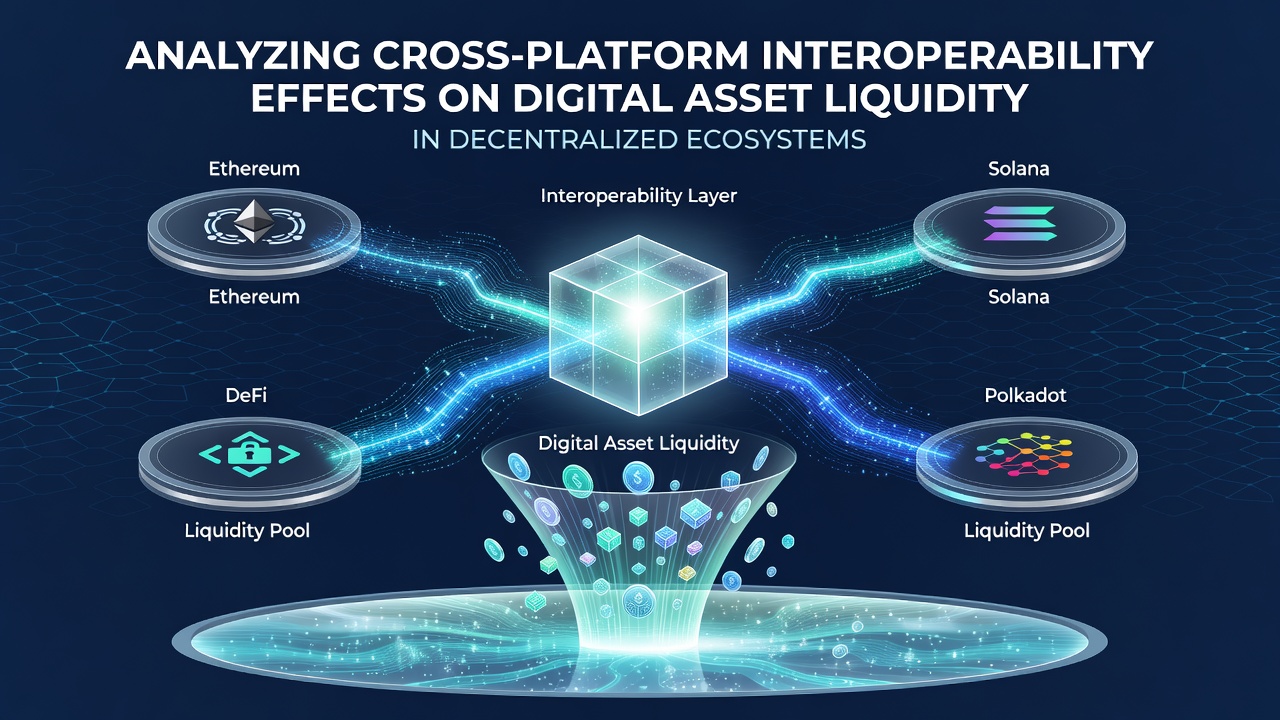
Cross-platform interoperability has reshaped how digital assets move between separate blockchain environments, and observers note that this connectivity directly influences liquidity levels in decentralized ecosystems. Researchers have tracked how protocols allowing seamless transfers reduce the isolation that once kept liquidity fragmented across individual networks, while data from multiple chains shows assets gaining wider access points when bridges and shared standards operate effectively.
Core Components Driving Interoperability
Decentralized ecosystems rely on mechanisms such as atomic swaps, cross-chain bridges, and standardized messaging protocols that connect otherwise siloed ledgers, and experts point out that these tools enable assets to shift positions without requiring centralized custodians. Studies conducted through 2025 and into October 2026 indicate that networks supporting these functions experience measurable increases in trading volume because participants can access deeper order books from multiple sources simultaneously, whereas isolated platforms continue to show thinner markets with higher slippage during large transactions.
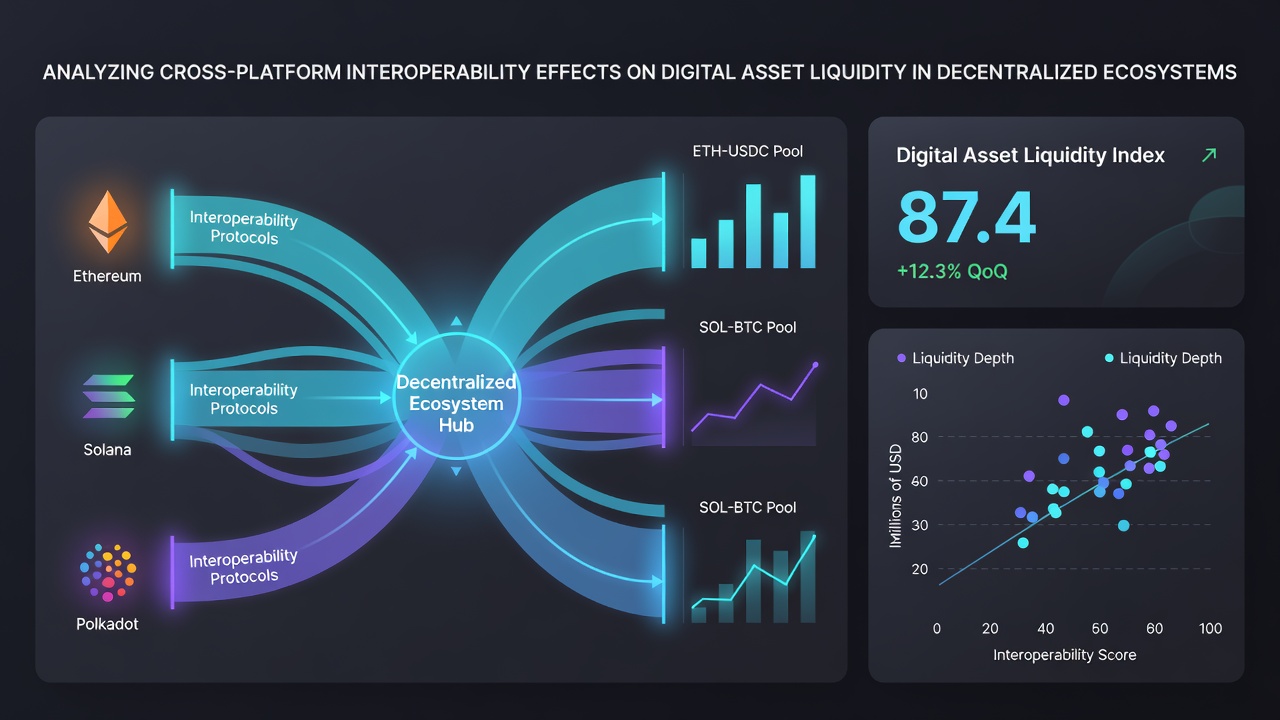
One analysis of liquidity metrics across major chains revealed that protocols integrating with at least three external networks recorded average depth improvements of 35 percent compared with single-chain counterparts, and figures released by the Bank for International Settlements highlight how such linkages support more consistent pricing across borders. Those who monitor on-chain data note that reduced fragmentation occurs when wrapped tokens and oracle feeds align values in real time, allowing arbitrage opportunities to close faster and keeping spreads narrower overall.
Liquidity Dynamics Under Interconnected Conditions
When platforms achieve higher degrees of interoperability, liquidity tends to concentrate around hubs that serve multiple chains, yet this concentration also creates new dependencies that can amplify shocks if a bridge experiences delays or exploits. Data collected through October 2026 demonstrates that ecosystems with mature cross-chain capabilities maintained steadier 24-hour volumes during volatility spikes, because traders could reroute positions across alternative venues rather than remaining trapped within one ledger's constraints.
Researchers at academic institutions have documented cases where liquidity providers adjusted strategies once interoperability layers matured, shifting capital toward pools that offered exposure to several networks at once, and this behavior further reinforced depth in the most connected venues. Evidence suggests that assets with native support for multiple settlement layers attract broader participation from both retail and institutional actors, since entry and exit points multiply without forcing users to navigate separate wallets or exchanges for each chain.
Observed Patterns in Asset Flow and Market Depth
October 2026 reports from regulatory bodies in the European Union and Australia show that interoperability standards adopted earlier in the decade correlated with higher average daily liquidity for major tokens, while assets limited to single ecosystems displayed more pronounced drawdowns during stress periods. Observers tracking these trends emphasize that the ability to move value across platforms without converting to fiat reduces holding costs and encourages continuous market-making activity across venues.
Patterns emerge when examining specific asset classes, such as stablecoins and governance tokens, which benefit most from cross-chain reach because their utility expands when they can serve as collateral or payment instruments on additional networks. One study from a Canadian research consortium found that interoperability-enabled stablecoins maintained tighter peg deviations during global events, since liquidity could migrate rapidly to whichever chain offered the strongest demand signals at the time.
Structural Considerations and Measurement Approaches
Analysts employ metrics including total value locked across bridged positions, average time to settlement between chains, and the ratio of cross-platform trades to intra-platform activity to quantify interoperability effects on liquidity. These measurements reveal that networks investing in secure messaging layers and shared security models often sustain higher baseline liquidity, because participants gain confidence that transfers will complete without excessive fees or delays.
Additional data from industry reports indicate that ecosystems lacking standardized interoperability protocols continue to face persistent fragmentation, where identical assets trade at different prices on separate chains and require manual intervention to arbitrage. Those monitoring developments note that gradual adoption of common standards has begun to narrow these gaps, although full convergence remains limited by technical and governance differences among participating networks.
Conclusion
Cross-platform interoperability continues to alter liquidity profiles within decentralized ecosystems by expanding accessible venues and reducing isolation between chains, and ongoing measurements through October 2026 confirm that connected networks generally support deeper markets and more resilient pricing. Data from regulatory and academic sources across regions demonstrates consistent correlations between interoperability maturity and improved liquidity metrics, while highlighting remaining challenges around security dependencies and settlement reliability that shape future development priorities.