Morgan Hayes · 10 September 2026
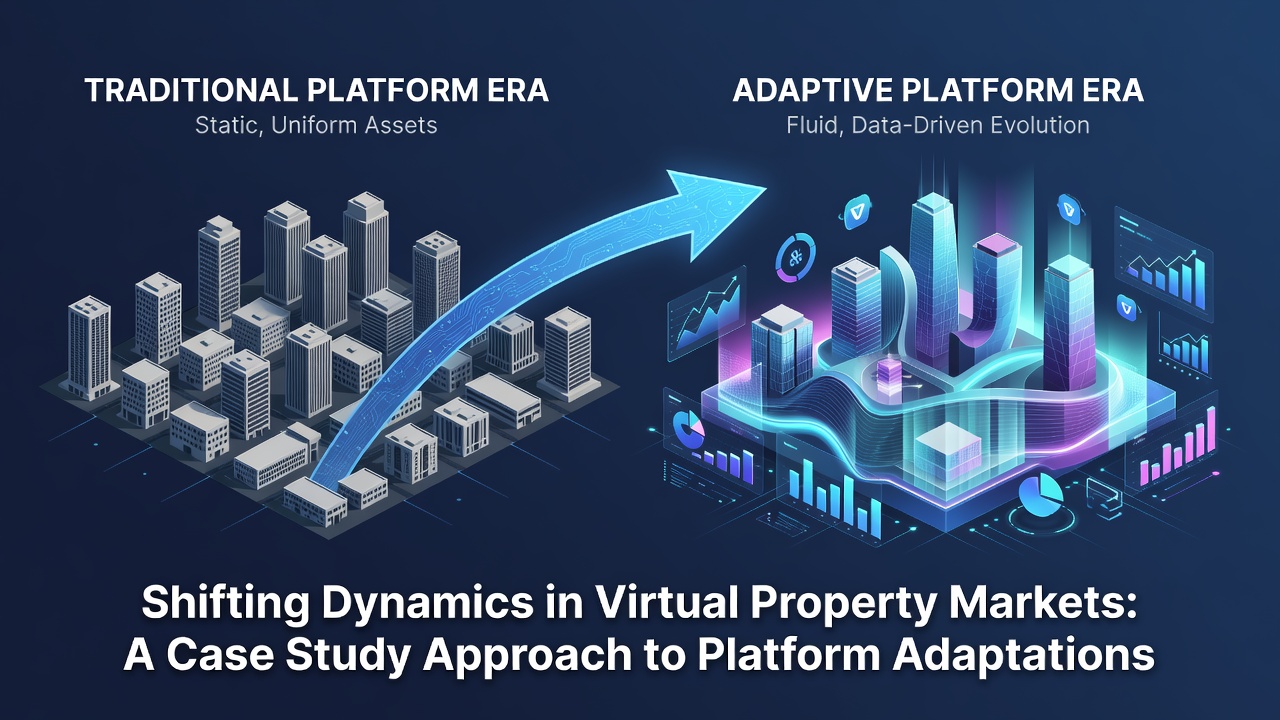
Shifting Dynamics in Virtual Property Markets: A Case Study Approach to Platform Adaptations
Virtual property markets have evolved rapidly over the past decade as platforms adjust to fluctuating user behaviors, technological upgrades, and regulatory pressures that reshape how digital land and assets change hands. These shifts appear in multiple metaverse environments where ownership models transition from simple token sales to more integrated systems that include leasing options and cross-platform compatibility features. Data from industry reports indicate that transaction volumes in virtual real estate peaked during earlier cycles but stabilized by September 2026 when several major platforms introduced updated governance tools to manage community-driven developments.
Market Overview and Key Trends
Observers note that virtual property values respond to factors such as platform population growth and integration with emerging hardware like advanced headsets, while economic indicators show average parcel prices adjusting based on location desirability within each virtual world. Research from academic institutions reveals patterns where early adopters who secured large holdings later diversified their portfolios through fractional ownership mechanisms, and this approach gained traction as platforms refined their smart contract protocols. According to figures released by the European Commission on digital asset frameworks, interoperability standards have become a focal point for developers seeking to maintain user retention across different environments.
Platforms have responded with layered adaptation strategies that include enhanced moderation systems and revenue-sharing models for content creators who build on virtual land, and these changes connect directly to broader movements toward sustainable economic structures within digital spaces. What's interesting is how user-generated events now drive temporary spikes in property demand, creating opportunities for temporary leasing arrangements that did not exist in earlier market phases.
Case Study: Decentraland Platform Adjustments
Decentraland implemented several updates between 2024 and 2026 that addressed declining engagement in certain districts by introducing modular building tools that allow owners to reconfigure spaces without full redevelopment costs. These modifications coincided with the rollout of improved voting systems for land-use proposals, enabling token holders to influence zoning decisions more directly. Figures from platform analytics indicate that districts with active community governance saw higher occupancy rates, and developers integrated data visualization dashboards to help owners track visitor metrics in real time.
One notable adaptation involved partnerships with hardware manufacturers to optimize rendering performance for larger events, which reduced latency issues reported during peak usage periods. Observers point out that such technical refinements helped stabilize property valuations in high-traffic areas, whereas less optimized zones experienced slower recovery in transaction activity. The platform also expanded its SDK capabilities to support third-party applications, fostering an ecosystem where external tools enhance the core experience without requiring users to leave the environment.
Case Study: The Sandbox Evolution
The Sandbox pursued a different path by emphasizing creator incentives through updated royalty structures that reward land owners when their assets appear in user-generated games and experiences. This approach built on earlier alpha releases and incorporated feedback from developer surveys conducted in 2025, leading to streamlined asset import processes that cut production timelines significantly. Data shows increased participation from independent studios after these changes, with land parcels near popular game hubs commanding premium prices in subsequent sales cycles.

Platform administrators introduced tiered subscription options for land owners seeking advanced analytics and marketing support, and this tier system aligned with observations that smaller holders benefited from targeted visibility tools. Researchers at various universities have documented how these layered offerings contributed to a more diversified owner base, reducing concentration risks that characterized earlier market stages. By September 2026 the platform reported expanded cross-promotion agreements with external entertainment companies, which further linked virtual properties to real-world brand activations.
Regulatory Influences and Platform Responses
Regulatory developments across regions have prompted platforms to incorporate compliance features such as enhanced identity verification and transaction reporting mechanisms, particularly as authorities in multiple jurisdictions clarify tax obligations for digital asset trades. A report from the Australian Securities and Investments Commission highlights how clear guidelines on virtual property classification encouraged platforms to adopt transparent disclosure practices that build user confidence. These adjustments appear in updated terms of service documents that outline responsibilities for both operators and owners, creating frameworks that support continued market participation without abrupt disruptions.
Industry organizations like the Interactive Games and Entertainment Association have tracked these transitions through member surveys, noting that platforms prioritizing regulatory alignment experienced steadier growth in new user registrations compared to those that delayed implementation. The reality is that such proactive measures often involve collaboration with legal experts to interpret emerging rules, resulting in standardized templates that multiple platforms can reference when updating their systems.
Conclusion
Platform adaptations in virtual property markets continue to reflect responses to user needs, technological capabilities, and external regulatory environments that shape long-term viability. Case studies from major environments demonstrate how targeted feature updates and governance refinements have supported sustained activity even as overall market conditions fluctuate. Data indicates that ongoing investments in interoperability and creator support remain central to these strategies, with outcomes measured through engagement metrics and transaction stability. As platforms refine their approaches further, the patterns established by September 2026 provide reference points for future developments in this space.