
Mia Simon · 24 September 2026
Unlocking Niche Monetization Tactics Within Integrated Digital Asset Ecosystems
Integrated digital asset ecosystems combine blockchain networks, virtual platforms, and user-generated content systems into unified environments where creators and participants exchange value through multiple channels, and observers note that these setups have expanded steadily since the early 2020s. Data from industry reports indicate that token-based ownership models now support everything from virtual land parcels to algorithmically generated art pieces, while platform operators track transaction volumes across gaming worlds and decentralized marketplaces. Researchers have documented how these systems allow for layered revenue streams that extend beyond simple sales, including ongoing royalties and usage-based fees that accumulate automatically through smart contracts.
Core Components of These Ecosystems
Platform architectures typically link non-fungible tokens with fungible currencies and staking mechanisms, and users move assets between environments without leaving the primary network. Studies released by academic institutions show that cross-chain interoperability protocols have reduced friction in asset transfers, which in turn supports more complex monetization arrangements such as shared revenue from collaborative projects. Those who analyze transaction data point out that integrated systems often incorporate governance tokens, allowing holders to vote on fee structures and new features that directly affect earning potential.
Established Monetization Approaches
Primary methods include direct token sales, subscription access to premium features, and licensing agreements for digital goods, yet newer variations build on these foundations. Evidence from market analyses reveals that play-to-earn mechanics continue to generate participation incentives, while fractional ownership models let multiple parties hold stakes in high-value assets like rare collectibles. Platform operators have implemented dynamic pricing algorithms that adjust based on supply metrics and user engagement patterns, and this approach has appeared in several major virtual environments by mid-2026.
Niche Tactics Emerging in Practice
One tactic involves embedding micro-royalties into secondary markets so that original creators receive percentages from every resale across connected platforms, and data indicates these arrangements have increased creator retention rates in documented cases. Another method uses predictive analytics to time limited-edition drops, aligning releases with community activity spikes measured through on-chain metrics. Observers have recorded instances where integrated ecosystems offer tiered access passes that unlock both content and revenue-sharing opportunities, creating incentives for long-term participation rather than one-time purchases.
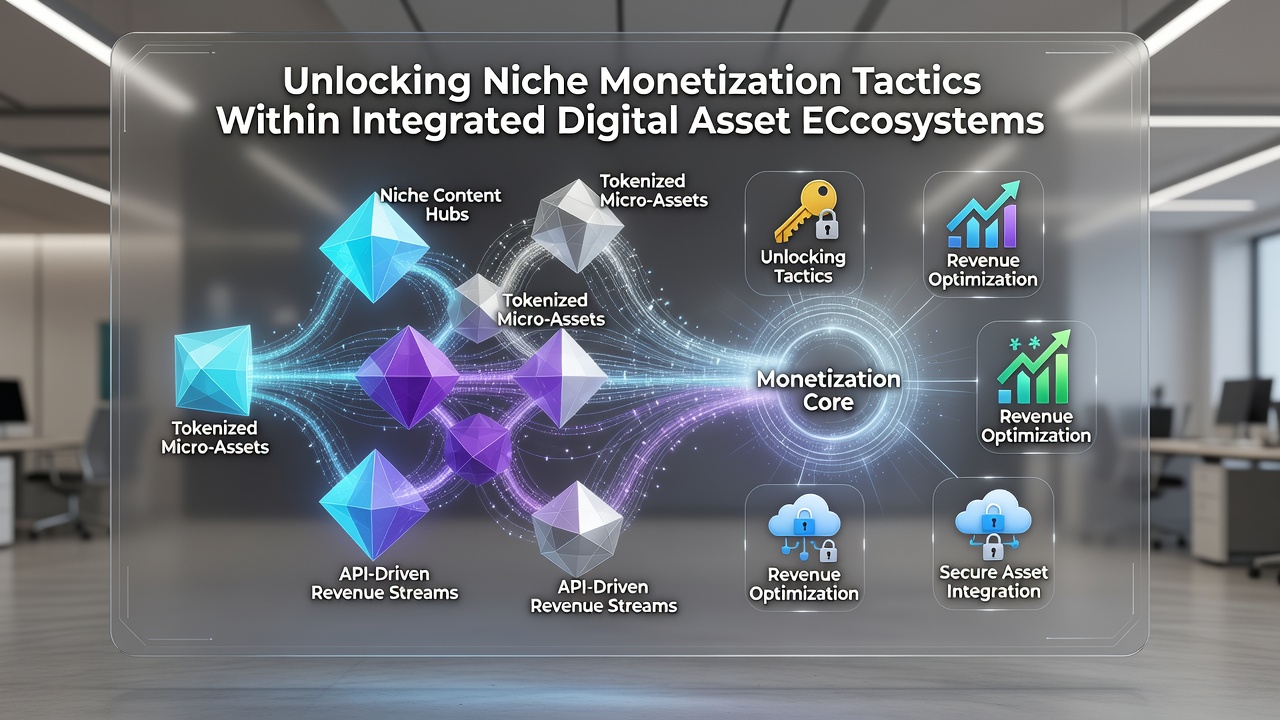
Additional strategies focus on data monetization where anonymized usage patterns become tradeable assets within the same ecosystem, and researchers discovered that this creates secondary income for both users and operators. Licensing frameworks now extend to AI training datasets derived from user creations, with smart contracts enforcing attribution and compensation rules automatically. Those who have examined specific implementations note that seasonal events tied to real-world calendars can drive concentrated trading activity, boosting overall liquidity for niche asset categories.
Developments Through September 2026
Reports compiled in September 2026 highlighted continued growth in cross-platform royalty enforcement tools, and figures from regulatory filings show that several jurisdictions updated guidelines to address automated fee distribution in digital environments. European Central Bank analysis examined how integrated systems handle settlement risks across borders, while separate research from Australian academic centers explored user behavior patterns in tokenized content marketplaces. These updates have prompted platform developers to refine compliance features within their monetization layers without disrupting existing revenue flows.
Geographic Variations in Adoption
North American platforms have emphasized creator fund models that allocate portions of transaction fees to community projects, whereas European operators have focused on transparency requirements for royalty calculations. Data compiled across regions shows that Asian markets have advanced faster in integrating real-world asset tokenization with virtual economies, and this has produced distinct monetization hybrids not yet widespread elsewhere. Industry groups tracking these differences report that regulatory clarity in each area influences which tactics gain traction first.
Conclusion
Integrated digital asset ecosystems continue to support an expanding range of monetization options that combine established methods with targeted innovations, and the patterns observed through late 2026 suggest further refinement rather than wholesale replacement of current approaches. Platform operators and participants alike rely on data-driven adjustments to maintain these systems, while external analyses from varied sources provide benchmarks for ongoing development. The result remains a landscape where multiple revenue streams operate simultaneously within connected digital environments.